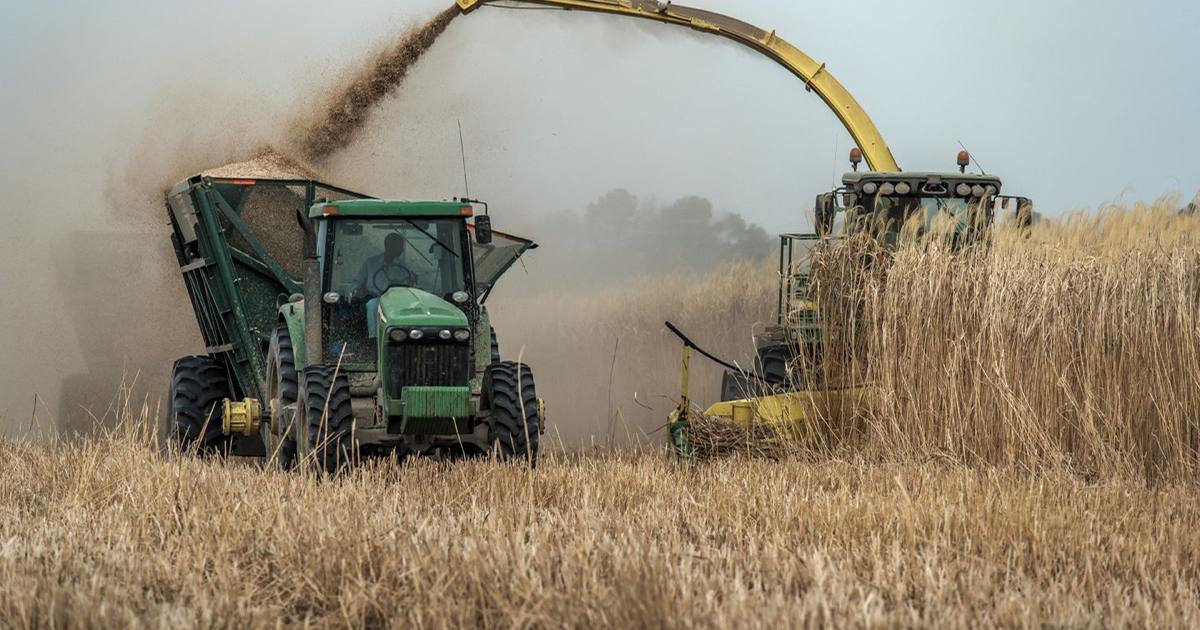
Forage harvester loading a trailer while harvesting giant miscanthus
Turning Giant Miscanthus Into
Market-Ready Biomass
Bedding, fuel, erosion control, packaging and more.

Biomass Market Development

AGgrow Tech helps with solutions based on biomass produced from Miscanthus. Our target markets are:

  • Poultry and Animal Bedding
  • Biofuels (Solid and Liquid), including combustion for electricity and heat
  • Packaging
  • Erosion Control (via Erosion Socks, Hydro-mulch, Fiber Bales)
  • Mulch
  • Composite Building Products
  • Biochemicals, including renewable plastics and additives
  • Biobased Products (Pulp and Paper)
  • Industrial Absorbents
  • Geotextiles / Plant-Based Textiles

Biomass Crop Development

While AGgrow Tech has invested in a system to utilize rhizome propagated Miscanthus, we also are researching and evaluating other plant species and varieties to add to our lineup.

Our research and breeding team is seeking alternative crops to expand possibilities for growing biomass. Possible contenders are being evaluated against several criteria. To be successful, these biomass crops must thrive in challenging environments and deliver consistent, high yields on underutilized and marginal lands. They must be hardy, well-adapted crops with high resistance to pests. They must provide the volume of biomass required to be competitive.

Frequently Asked Questions

Which markets does AGgrow Tech target with miscanthus biomass?

Poultry and animal bedding, liquid biofuels, combustion for electricity and heat, chemical intermediate applications such as renewable plastics and additives, and erosion control (erosion socks, hydro-mulch and fiber bales).

Is AGgrow Tech researching crops other than miscanthus?

Yes. While AGgrow Tech has invested in a system that uses rhizome-propagated Miscanthus, its research and breeding team is also evaluating other plant species and varieties. Candidates must thrive in challenging environments, deliver consistent high yields on underutilized and marginal lands, be hardy with high pest resistance, and provide the biomass volume needed to be competitive.